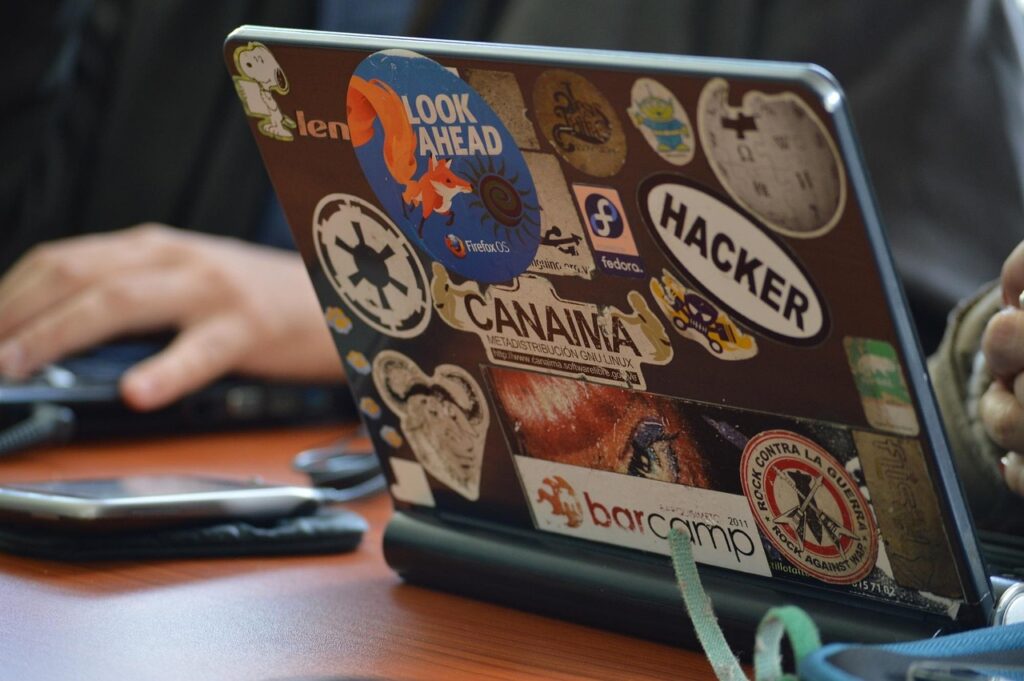

Have you ever wondered what free software is and how it differs from the commercial software you buy or download? If you’re new to the concept of free software, you might be curious about what it entails and why it matters. Free software – also known as open-source software (or OSS) – refers to software that is released under a license that allows users to view, modify, and distribute the software freely – without having to pay royalties or licensing fees. This concept is quite different from proprietary software, which is owned by a company and only allows users to use it under certain conditions. Let’s explore this topic further.
📝 Contents
Understanding Free Software
Free software is essentially software that is freely available for anyone to use, modify, and distribute – with the condition that any modifications or enhancements must also be made available under the same free license. This means that users have the freedom to run the software for any purpose, study how it works, modify it to suit their needs, and redistribute copies – either with or without modifications. The concept of free software is often confused with freeware, which is software that is available for use at no cost but does not necessarily allow users to view or modify its source code. A key aspect of free software is the availability of its source code – the programming code that makes up the software – which allows developers to review, modify, and extend the software. This openness leads to a community-driven development process, where a large number of developers contribute to the software, fix bugs, and add new features.
| Term | Plain-English Meaning |
|---|---|
| Free Software | Software that is freely available for anyone to use, modify, and distribute, with the source code available for review and modification. |
| Open-Source Software (OSS) | Another term for free software, emphasizing the open nature of its development and the availability of its source code. |
| Proprietary Software | Software owned by a company, with restrictions on its use, modification, and distribution, typically requiring a license or purchase. |
| Source Code | The programming code that makes up a software, which can be reviewed, modified, and extended by developers. |
| License | A legal agreement that defines the terms under which software can be used, modified, and distributed. |
| Freeware | Software available for use at no cost, but without the freedom to view or modify its source code. |
Why Free Software Matters
Free software matters for several reasons, primarily because it offers users the freedom to control their technology, rather than being controlled by it. By having access to the source code, users can ensure that the software does not spy on them or compromise their privacy. Moreover, the community-driven development process of free software leads to more secure and reliable software, as a large number of developers review and fix bugs. For example, the Linux operating system, which is free and open-source, is widely considered to be more secure than many proprietary operating systems. Additionally, free software promotes innovation, as developers can build upon existing software to create new and improved versions, without needing to start from scratch or obtain expensive licenses.
Free software also benefits society as a whole by making technology more accessible to people around the world. In many developing countries, the cost of proprietary software is a significant barrier to the adoption of technology. Free software helps bridge this digital divide by providing affordable alternatives. For instance, the OLPC (One Laptop Per Child) project, which aims to provide low-cost laptops to children in developing countries, relies heavily on free and open-source software to keep costs down. Furthermore, free software encourages collaboration and knowledge sharing among developers, which can lead to breakthroughs in fields such as medicine, education, and environmental science.
The impact of free software can be seen in various real-world examples. For example, the Wikipedia online encyclopedia, which is built using free and open-source software, has become one of the largest and most trusted sources of information on the internet. The Android operating system, which is based on the Linux kernel, is another example of how free software can lead to widespread adoption and innovation. With over 2 billion active devices, Android is the most widely used operating system in the world, and its success can be attributed to the flexibility and customizability offered by its open-source nature.
Major Free Software Developments
1. Introduction to Linux
Linux is a free and open-source operating system that is widely used in servers, desktops, and mobile devices. It is known for its stability, security, and customizability, making it a popular choice among developers and power users. To use Linux, one can download and install a Linux distribution, such as Ubuntu or Fedora, which provides a user-friendly interface and a wide range of software applications. A common beginner mistake is to underestimate the learning curve of Linux, as it can be quite different from proprietary operating systems like Windows or macOS.
- Plus Points:
- Highly customizable and secure
- Free to download and use
- Large community of developers and users
2. Understanding Git Version Control
Git is a free and open-source version control system that is widely used in software development. It allows developers to track changes to their code, collaborate with others, and manage different versions of their software. To use Git, one can install it on their computer and create a Git repository, which is essentially a folder that contains all the files and history of a project. A common beginner mistake is to confuse the different Git commands, such as push, pull, and commit, which can lead to errors and confusion.
- Plus Points:
- Powerful and flexible version control system
- Widely used and supported by most development platforms
- Free to download and use
3. Exploring Open-Source Programming Languages
Open-source programming languages, such as Python and Java, are widely used in software development due to their flexibility, customizability, and large communities of developers. These languages are often released under permissive licenses, which allow developers to use and modify them freely. To use an open-source programming language, one can download and install a development environment, such as Eclipse or PyCharm, which provides a user-friendly interface and a wide range of tools and libraries. A common beginner mistake is to underestimate the complexity of these languages, which can lead to frustration and confusion.
- Plus Points:
- Highly customizable and extensible
- Large communities of developers and users
- Free to download and use
4. Building with Open-Source Frameworks
Open-source frameworks, such as React and Angular, are widely used in web development due to their flexibility, customizability, and large communities of developers. These frameworks provide a set of pre-built components and tools that can be used to build complex web applications quickly and efficiently. To use an open-source framework, one can download and install it, and then start building their application using the framework’s components and tools. A common beginner mistake is to confuse the different framework components, such as libraries and modules, which can lead to errors and confusion.
- Plus Points:
- Highly customizable and extensible
- Large communities of developers and users
- Free to download and use
5. Creating with Open-Source Graphic Design Tools
Open-source graphic design tools, such as GIMP and Inkscape, are widely used in graphic design due to their flexibility, customizability, and large communities of users. These tools provide a wide range of features and functions that can be used to create complex graphic designs, such as logos, brochures, and websites. To use an open-source graphic design tool, one can download and install it, and then start creating their design using the tool’s features and functions. A common beginner mistake is to underestimate the complexity of these tools, which can lead to frustration and confusion.
- Plus Points:
- Highly customizable and extensible
- Large communities of users and developers
- Free to download and use
6. Managing with Open-Source Project Management Tools
Open-source project management tools, such as Trello and Asana, are widely used in project management due to their flexibility, customizability, and large communities of users. These tools provide a wide range of features and functions that can be used to manage complex projects, such as task assignment, time tracking, and team collaboration. To use an open-source project management tool, one can download and install it, and then start managing their project using the tool’s features and functions. A common beginner mistake is to confuse the different tool features, such as boards and lists, which can lead to errors and confusion.
- Plus Points:
- Highly customizable and extensible
- Large communities of users and developers
- Free to download and use
7. Learning with Open-Source Educational Resources
Open-source educational resources, such as Khan Academy and Coursera, are widely used in education due to their flexibility, customizability, and large communities of users. These resources provide a wide range of features and functions that can be used to learn new skills and subjects, such as video lectures, quizzes, and discussion forums. To use an open-source educational resource, one can access it online, and then start learning using the resource’s features and functions. A common beginner mistake is to underestimate the complexity of these resources, which can lead to frustration and confusion.
- Plus Points:
- Highly customizable and extensible
- Large communities of users and developers
- Free to access and use
| Step | What You Do | Expected Result |
|---|---|---|
| 1. Introduction to Linux | Download and install a Linux distribution | A functional Linux operating system |
| 2. Understanding Git Version Control | Install and use Git for version control | Effective version control and collaboration |
| 3. Exploring Open-Source Programming Languages | Download and install a development environment | A functional development environment |
| 4. Building with Open-Source Frameworks | Download and install an open-source framework | A functional web application |
| 5. Creating with Open-Source Graphic Design Tools | Download and install an open-source graphic design tool | A functional graphic design tool |
| 6. Managing with Open-Source Project Management Tools | Download and install an open-source project management tool | A functional project management tool |
| 7. Learning with Open-Source Educational Resources | Access an open-source educational resource online | Access to a wide range of educational resources |
Frequently Asked Questions
What is the difference between free software and freeware?
Free software is software that is freely available for anyone to use, modify, and distribute, with the source code available for review and modification. Freeware, on the other hand, is software that is available for use at no cost, but without the freedom to view or modify its source code. While freeware can be used for free, it is not considered free software due to the restrictions on its use and modification.
Is free software really free?
Yes, free software is really free. The term “free” in free software refers to the freedom to use, modify, and distribute the software, rather than the cost. While some free software may be available for download at no cost, the primary benefit of free software is the freedom and flexibility it provides to users and developers.
Can I use free software for commercial purposes?
Yes, you can use free software for commercial purposes. Many free software licenses, such as the GNU General Public License (GPL), allow for commercial use and distribution of the software. However, it’s essential to review the terms and conditions of the license to ensure that you are complying with its requirements.
How do I get started with free software?
To get started with free software, you can begin by exploring the various free software options available, such as Linux distributions, open-source programming languages, and free software applications. You can also join online communities and forums to connect with other users and developers, and learn from their experiences.
Is free software secure?
Yes, free software can be highly secure. The open nature of free software allows a large number of developers to review and fix bugs, which can lead to more secure and reliable software. Additionally, many free software projects have a strong focus on security, with built-in security features and regular updates to patch vulnerabilities.
What It All Means
The concept of free software is not just about using software for free, but about the freedom to control and customize your technology. By using free software, you can take control of your digital life, and contribute to a community-driven development process that promotes innovation and collaboration. The benefits of free software are numerous, and its impact can be seen in various real-world examples, from the widespread use of Linux and Android to the success of online platforms like Wikipedia and Khan Academy.
As you explore the world of free software, you’ll discover a wide range of options and opportunities for using, modifying, and distributing software. Whether you’re a developer, a power user, or just someone looking for alternative software solutions, free software has something to offer. By embracing the principles of free software, you can join a community of users and developers who are passionate about creating and sharing knowledge, and who are committed to promoting freedom and innovation in the digital world.
To wrap up, the world of free software is a vibrant and dynamic community that is driven by a shared passion for freedom, collaboration, and innovation. By exploring this world, you can discover new opportunities for using technology, and contribute to a movement that is changing the way we think about software and its role in our lives.