
For years, space technology has been at the forefront of human innovation, pushing the boundaries of what is thought possible. However, with the rapid pace of advancements, many people struggle to keep up with the latest developments, often finding themselves lost in a sea of outdated information. The space industry is no exception, with misinformation and misconceptions about its current state and future directions being commonplace. This can lead to frustration and disengagement from one of the most exciting and potentially impactful fields of human endeavor. The year 2026 is particularly pivotal, with numerous breakthroughs and initiatives set to redefine the landscape of space exploration and utilization.
📝 What's In This Article
Common Challenges With What Does Space Technology (2026 update) Mean?
Outdated Information and Misconceptions
One of the primary challenges facing individuals interested in space technology is the prevalence of outdated information. With the field evolving so rapidly, it can be difficult for non-experts to discern what is current and what has been superseded. This problem arises due to the swift pace of technological advancements and the limited dissemination of cutting-edge research to the general public. As a result, many people rely on information that may have been accurate a few years ago but no longer reflects the current state of space technology.
Lack of Accessibility to Space Technology
Another significant challenge is the lack of accessibility to space technology for the average person. The high costs associated with space missions, the complexity of the technology, and the specialized knowledge required to understand and engage with space technology create barriers. This inaccessibility stems from the inherently expensive nature of space exploration and the necessity for highly specialized equipment and expertise, limiting participation and understanding among the broader population.
Funding and Resource Constraints
Funding and resource constraints pose a considerable challenge to the advancement of space technology. The significant financial investments required for space missions and research projects often compete with other societal priorities for funding. This challenge occurs because space exploration is costly, and securing consistent, substantial funding can be difficult, especially when budgets are constrained and priorities are numerous.
Environmental Concerns
Environmental concerns, such as space debris and the potential impact of increased space activity on Earth’s orbit, are growing challenges. As more satellites and spacecraft are launched, the risk of collisions and the accumulation of debris increase, threatening the sustainability of space activities. This issue arises from the lack of comprehensive regulations and the rapid expansion of space exploration without adequate consideration for environmental impacts.
International Cooperation and Regulation
Finally, international cooperation and the lack of unified regulations pose significant challenges. With multiple countries and private entities involved in space activities, there is a need for harmonized laws and agreements to ensure safety, prevent conflicts, and protect the environment. This challenge stems from the diverse interests and priorities of different nations and organizations, making consensus difficult to achieve.
Top Space Innovations to Know
1. Reusable Rocket Technology
Reusable rocket technology has revolutionized the space industry by significantly reducing the cost of accessing space. Companies like SpaceX have developed rockets that can launch payloads into space and return to Earth, landing vertically for potential reuse. Implementing this technology involves designing rockets with durable materials and sophisticated guidance systems, allowing for precise landing and recovery. This not only saves money but also increases the frequency of launches, making space travel more accessible.
- What You Gain:
- Cost savings: Reusing rockets can drastically cut down the expense of launching payloads into space.
- Increased launch frequency: With the ability to recover and refurbish rockets, the time between launches can be significantly reduced.
- Environmental benefits: Reusing rockets reduces the amount of new material needed for each launch, potentially decreasing the environmental impact.
2. Advanced Propulsion Systems
Advanced propulsion systems, such as ion engines and nuclear propulsion, offer greater efficiency and longer mission durations. These systems are crucial for deep space missions, where traditional chemical propulsion may not be sufficient. Implementing these systems requires extensive research and development to overcome technical challenges and ensure safety and reliability.
- What You Gain:
- Enhanced mission duration: Advanced propulsion systems can extend the operational time of spacecraft, enabling longer and more complex missions.
- Increased payload capacity: More efficient propulsion can allow for heavier payloads or more extensive scientific equipment.
- Greater fuel efficiency: Advanced systems often require less fuel, reducing the mass needed for propulsion and increasing the overall efficiency of space missions.
3. Space-Based Solar Power
Space-based solar power involves collecting solar energy in orbit and beaming it back to Earth as a clean and constant source of electricity. This concept requires the development of large solar panels in space and advanced microwave or laser technology to transmit the energy. Implementing space-based solar power would involve significant technological advancements and international cooperation.
- What You Gain:
- Clean energy: Solar power from space offers a renewable energy source with minimal environmental impact.
- Constant supply: Space-based solar power can provide a constant flow of energy, unaffected by weather conditions or time of day.
- Global accessibility: With the right technology, this energy could be transmitted anywhere on the globe, potentially solving energy access issues in remote areas.
4. In-Orbit Manufacturing and Recycling
In-orbit manufacturing and recycling refer to the production of goods and the recycling of materials in space. This could include manufacturing optical fibers, recycling space debris into useful materials, or producing pharmaceuticals in microgravity. Implementing these processes requires the development of specialized equipment and facilities that can operate in the microgravity environment of space.
- What You Gain:
- New industrial capabilities: Space offers a unique environment for manufacturing certain materials with properties not achievable on Earth.
- Reduced space debris: Recycling debris can help mitigate the growing problem of space junk, making space safer for all users.
- Potential for resource utilization: In-orbit recycling and manufacturing could pave the way for using space-based resources, such as water from asteroids, to support human activities in space.
5. Lunar and Planetary Bases
Establishing lunar and planetary bases is a long-term goal for space agencies and private companies, aiming to create sustainable human presence beyond Earth. Implementing this involves overcoming significant technological, logistical, and financial challenges, including developing the necessary infrastructure, life support systems, and protective measures against harsh space environments.
- What You Gain:
- Stepping stone for deeper space exploration: Bases on the Moon or Mars could serve as critical stops for missions further into the solar system.
- Scientific research opportunities: Permanent bases would enable long-term, in-depth scientific studies of other celestial bodies, expanding our understanding of the universe.
- Potential for resource exploitation: Establishing bases could facilitate the utilization of lunar or planetary resources, supporting both the base itself and future space missions.
6. Advanced Space Suits and Protective Gear
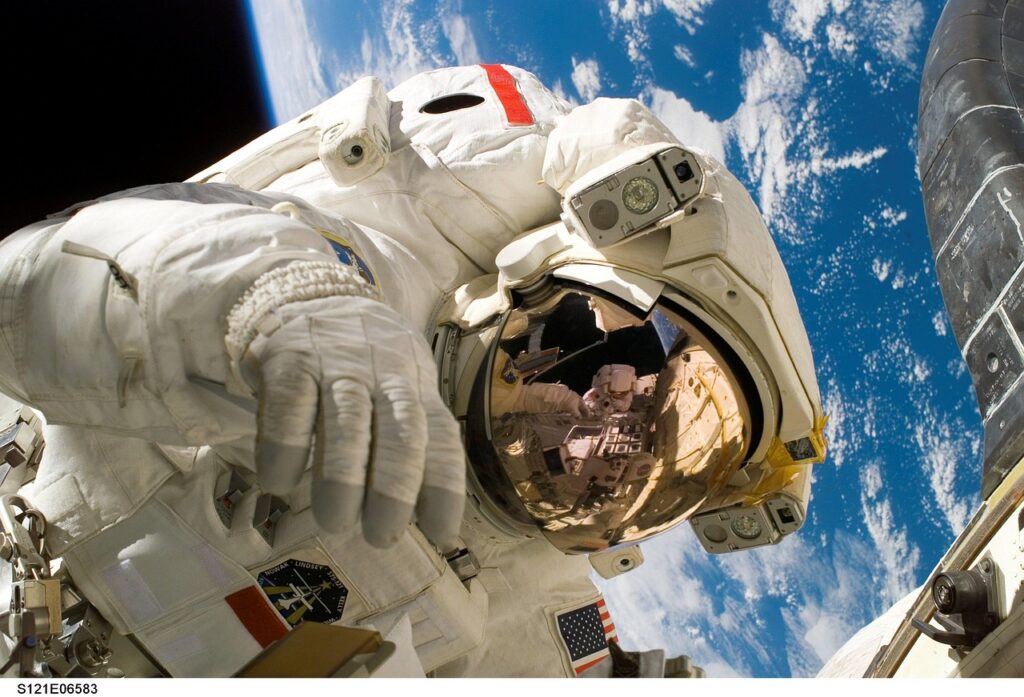
Advanced space suits and protective gear are essential for safeguarding astronauts during extravehicular activities. These suits must provide life support, protect against extreme temperatures and radiation, and ensure mobility and dexterity. Implementing such technology involves materials science research and innovative design to create suits that are both protective and functional.
- What You Gain:
- Enhanced safety: Advanced space suits can better protect astronauts from the hazards of space, reducing the risk of injury or death.
- Improved mobility: Suits designed with mobility in mind can increase the efficiency and effectiveness of spacewalks.
- Longer mission durations: With better protection and life support, astronauts could potentially stay in space for longer periods, enabling more extensive and complex missions.
Comparison of Old and New Approaches in Space Technology
| Approach | Old Way | Better Way | Result |
|---|---|---|---|
| Access to Space | Expensive and limited to government agencies and a few private companies | Reusable rockets and more private sector involvement | Significantly reduced cost and increased accessibility |
| Propulsion Systems | Chemical propulsion with limited efficiency and range | Advanced propulsion systems like ion engines and nuclear propulsion | Longer mission durations and greater fuel efficiency |
| Space Exploration | Primarily government-funded with limited scope | Public-private partnerships and international cooperation | Broader scope of missions and more rapid advancement in space technology |
| Environmental Impact | Increasing space debris and lack of regulation | Active debris removal and international agreements on space sustainability | Reduced environmental impact and safer space operations |
| Space Utilization | Limited to scientific research and some commercial activities | Diversified use of space, including tourism, manufacturing, and resource exploitation | Increased economic benefits and expansion of human presence in space |
Why People Are Paying Attention
The recent launch of the SpaceX Starship, aiming to return humans to the Moon and eventually send crewed missions to Mars, has garnered significant attention worldwide. This private venture is not only pushing the boundaries of space technology but also demonstrating the potential for public-private partnerships in space exploration.
The European Space Agency’s (ESA) plans for a lunar village, a proposed international collaboration to establish a sustainable human presence on the Moon, highlights the growing interest in lunar exploration and utilization. This initiative underscores the importance of cooperation in achieving ambitious space goals.
The successful landing of NASA’s Perseverance rover on Mars, equipped with advanced instruments to search for signs of past or present life on the Red Planet, has sparked renewed interest in planetary exploration. The discovery of water on Mars and the potential for resource utilization has significant implications for future human missions.
The establishment of the United Arab Emirates’ (UAE) space agency and its ambitious plans, including sending the first Arab mission to Mars, signifies the increasing involvement of new players in the global space community. This expansion of space-faring nations and entities is fostering a more diverse and dynamic space industry.
The growing concern over space debris and the need for sustainable space practices has led to increased awareness and efforts towards mitigating the environmental impact of space activities. Initiatives such as the removal of defunct satellites and the development of guidelines for responsible space operations are becoming more prevalent.
Step-by-Step Action Plan
- Stay informed about the latest developments in space technology by following reputable space news outlets and scientific publications, which helps in understanding the current state and future directions of the field.
- Support space education and outreach programs, as these initiatives are crucial for inspiring the next generation of space professionals and ensuring a skilled workforce for future space missions.
- Participate in citizen science projects related to space exploration, which can provide valuable contributions to scientific research and offer unique opportunities for public engagement with space activities.
- Advocate for policies and initiatives that promote sustainable space practices and international cooperation in space exploration, as these are essential for the long-term success and safety of space endeavors.
- Consider career opportunities in the space industry, as the growing demand for skilled professionals in fields like engineering, astronomy, and computer science presents a wide range of job prospects.
- Engage with space-related communities and forums to stay updated on the latest advancements and discussions in the field, which can provide insights into emerging trends and technologies.
- Support private space companies and startups through investments or crowdfunding, as these ventures are driving innovation and accessibility in space technology, enabling more people to participate in space activities.
The Bottom Line
The 2026 update on space technology reveals a field that is rapidly evolving, with innovations and advancements that are transforming our understanding of space and our ability to explore and utilize it. As space technology continues to grow and diversify, it is essential to address the challenges it faces, from environmental concerns to international cooperation, to ensure a sustainable and beneficial presence in space for generations to come. Looking forward, the future of space technology holds immense promise, with potential breakthroughs in propulsion systems, space manufacturing, and the establishment of lunar and planetary bases. As humanity continues to push the boundaries of space exploration, the importance of staying informed, supporting space initiatives, and advocating for responsible and cooperative space activities cannot be overstated.